How to Tell Whether Uneven Floors Indicate Foundation Movement

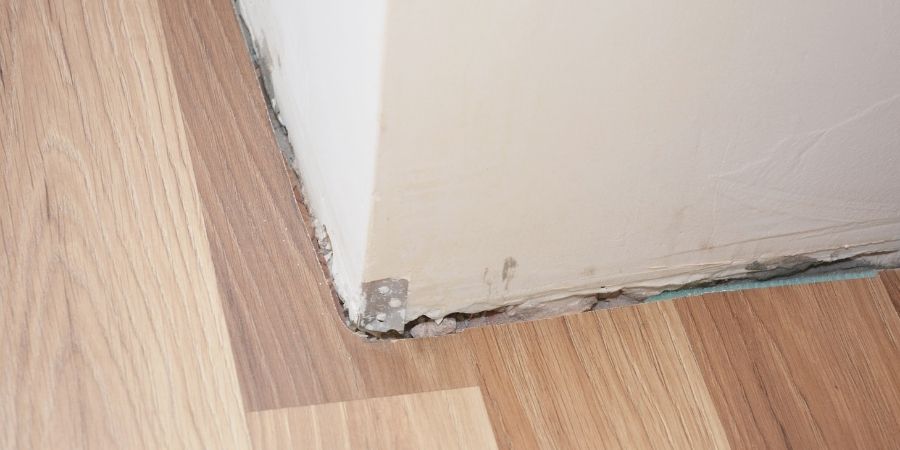
Uneven floors can point to foundation movement, but the floor surface does not prove what has happened below a property.
A slope across a room, a local dip, or one low corner can reflect several structural or floor-system conditions. The pattern, age, location, and rate of change all help narrow the likely cause.
A structural assessment looks beyond the crack itself. Floor support, wall alignment, openings, drainage, and ground conditions help establish whether the defect is confined to one area or linked.
Do uneven floors always mean foundation movement?
Floor levels can change even when the foundation is stable. Damage within the floor structure, modifications to supporting members, moisture, construction variation, and settlement from an earlier period are all probable causes.
Foundation movement becomes more likely when floor changes appear with other structural signs or worsen over time.
A broad slope across several rooms can suggest a different problem from a small soft area near one wall. One pattern can relate to support movement below the structure, while another can point to damage within the floor system itself.
The surrounding signs help show how significant the uneven floor could be. Recent change, wider cracks, doors that jam, windows that no longer close squarely, or movement near one part of the structure can justify a structural assessment.
Longstanding unevenness with no recent change can have a different cause and risk profile.
Signs that make foundation movement more likely
Foundation movement becomes more plausible when several symptoms point towards the same part of the property. Differential movement occurs when sections of the same structure move by different amounts.
An uneven floor may be one sign of foundation movement, especially when nearby walls, doorways, windows, or structural supports have also changed.
What you notice | What it can suggest | Why it is relevant | Recommended next action |
Floor slopes towards one wall or corner | Localised support or foundation movement | The floor level changes across a broader area | Compare the slope with nearby cracks and wall lines |
Floor slope with new wall cracks or wider wall cracks | Differential structural movement | Two structural elements show related change | Arrange a structural assessment |
Floor slope with jammed doors or skew windows | Movement around openings and supports | Frames can distort as the structure moves | Record where the symptoms occur together |
One soft or sagged floor area | Local floor-system damage | The defect can sit above the foundation | Inspect joists, beams, supports, and moisture exposure |
Change after drainage or water problems | Soil or support condition change | Water can affect ground and support conditions | Assess drainage and foundation conditions together |
Longstanding unevenness with no related change | Historic settlement or construction variation | Lack of progression can reduce concern about active movement | Monitor condition and record recent changes |
Patterns across more than one structural element provide more evidence than a floor symptom in isolation. Progression also has diagnostic value: a slope that becomes more pronounced, or cracks that reappear after repair, can indicate active movement.
A local dip with softness or visible floor damage can point towards a floor system fault instead of foundation movement.
What else can cause uneven floors?

Foundation movement is only one possible cause. Timber or steel floor members can deflect, decay, corrode, or lose support.
Moisture can damage floor materials or support members. Earlier alterations can remove or weaken supports. Construction variation, long-term settlement, and local subfloor defects can also change floor level.
Floor construction also changes the likely cause. In a suspended timber floor, joists, beams, piers, posts, and local moisture damage can alter levels above sound foundations.
In a concrete slab, local settlement, loss of subgrade support, slab distress, or movement at the foundation edge can create a different pattern. A specialist should identify the floor system before discussing repair options.
Imagine a small dip near a bathroom where the floor surface is soft, while nearby walls have no new cracks and doors still fit squarely. A local floor defect or moisture-related support problem would rank above foundation movement as an initial line of enquiry.
Now compare a floor that slopes towards one corner, with new diagonal wall cracks and a nearby door that no longer closes squarely. Such a combination gives greater reason to investigate foundation or support movement beneath the affected area.
The repair route depends on the cause. Surface correction can hide a symptom while support failure, moisture damage, or foundation instability continues. Diagnosis should therefore precede reinforcement, underpinning, or other corrective solutions.
How to check an uneven floor before you contact a specialist
A homeowner can record practical observations without a diagnosis. Avoid invasive work, structural member adjustment, or support alteration. The aim is to document what has changed, where the change appears, and whether other signs occur nearby.
Check these five points:
- Test doors and windows near the affected area to see whether either has recently become difficult to close or latch.
- Inspect adjoining walls for new cracks or visible changes in older cracking.
- Compare neighbouring rooms to establish whether the floor change continues along a wall or support line.
- Document affected areas with dated photographs taken from consistent positions.
- Mark any raised, sunken, sloping, soft, or uneven sections of flooring.
A spirit level or laser level can document relative differences across the floor. A ball placed on the floor can reveal a slope.
Neither method identifies the cause, and a single DIY measurement should not be treated as a universal failure threshold. Structural context and site conditions still decide what the measurement means.
When should uneven floors be professionally assessed?
Not every uneven floor indicates a foundation problem. Professional assessment becomes appropriate when the slope is recent or worsening, particularly when other changes appear in the structure, such as cracking, distorted openings, support defects, or foundation movement.
Repeated patching will not resolve a crack if foundation movement is responsible for the damage.
Major renovations and property purchases are good points to check the condition of a structure. An assessment can also identify concerns after drainage problems or previous changes to structural walls, beams, columns, and floor supports.
A site investigation can connect floor levels with the rest of the structure and identify areas that require closer inspection.
Some properties also require geotechnical investigation. Soil shrinkage, consolidation, moisture change, or poor support conditions below foundations can influence movement. Structural assessment and geotechnical investigation examine various parts of the same problem.
Underpinning should only enter the repair discussion after the cause and support condition have been established.
Arrange a structural assessment when several warning signs develop at the same time or changes in the floor become more noticeable over time.
What happens in a structural assessment?
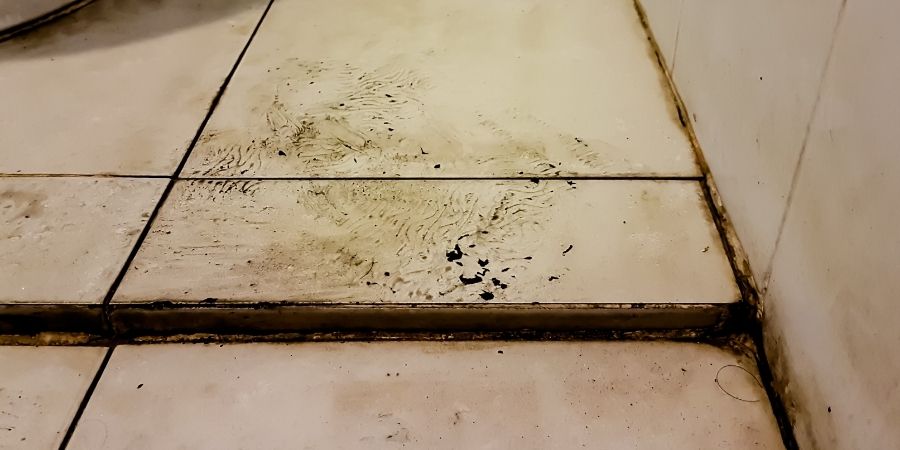
Floor movement is assessed as part of the wider structure, including walls, beams, columns, and foundations. Cracks, sticking doors or windows, drainage conditions and previous changes to the property can provide further evidence.
Floor levels can be measured across selected points to establish where the profile changes and whether the pattern matches other structural signs.
A level survey has greater value when measurements follow fixed reference points across the affected area. The floor profile can show whether the floor falls gradually, drops near one support line, or contains an isolated depression. Crack locations and door or window distortion can then be compared with the same floor profile.
Site conditions can justify deeper investigation. Hand auger work, soil assessment, geotechnical investigation, or specialist design input can help establish how ground conditions affect foundation stability.
The scope depends on property, symptoms, foundation type, and suspected cause. Property history can also help.
Ask whether floor levels changed after an extension, wall removal, plumbing leak, drainage alteration, or major repair. Previous photos, crack repairs, and level records can show whether symptoms are recent or historic.
A specialist can compare that history with the current floor profile and visible structural evidence before a repair scope is prepared.
The outcome should match the diagnosis. One property could require periodic measurement or drainage correction. Another could require local reinforcement, foundation stabilisation, underpinning, or piling.
Corrective work should address what is causing the structural problem, protect the property, and restore dependable long-term performance instead of covering visible damage.
Frequently asked questions about uneven floors and foundation movement
Can uneven floors be normal in an older house?
Yes. Older properties can have longstanding floor slopes linked to historic settlement, construction variation, or earlier alterations. Stability over time is important. New cracks, progressive floor level change, or changes to doors and windows can indicate that a fresh structural assessment is appropriate.
Can foundation movement cause only one part of a floor to slope?
Yes. Differential foundation or support movement can affect one zone more than another. A local floor system defect can create a similar pattern. The location of cracks, supports, wall movement, and floor damage should be assessed before the cause is assigned.
Should I level an uneven floor before a foundation assessment?
Usually not. Surface correction before diagnosis can hide evidence and leave the root defect unresolved. Structural movement, damaged supports, moisture problems, or foundation instability require different corrective solutions. Establish the cause first, then select the repair method.
Does an uneven floor automatically mean I need underpinning?
An uneven floor does not automatically require underpinning. Underpinning is one foundation stabilisation method, not a default response to an uneven floor. The correct repair depends on foundation condition, structural movement, soil or support conditions, and the results of the structural assessment. Some properties require a different corrective solution.
Assess the cause before you choose a repair
An uneven floor should be read as one part of a wider structural pattern. Recent change, progression, related cracks, distorted openings, drainage conditions, and support defects can help distinguish local floor problems from foundation movement.
Pinnacle Structural Repair Specialists can assess the structure, investigate likely causes, and recommend corrective solutions that support foundation stability, property protection, and long-term performance.
Arrange a structural assessment to establish the cause before you choose corrective work.