
Environmental and Sustainability Aspects of Sub-Soil Drainage
For a coastal city like Durban and its surrounding region, sustainable sub-soil drainage is more than a construction or structural concern — it is a vital piece of environmental resilience and long-term land stewardship.
At Pinnacle Structural Repair Specialists (Pty) Ltd, our experience repairing foundations and recommending drainage solutions gives us a unique perspective: well-designed sub-soil drainage systems can protect structures — and, critically, benefit soil health, manage water tables, and support ecological balance.
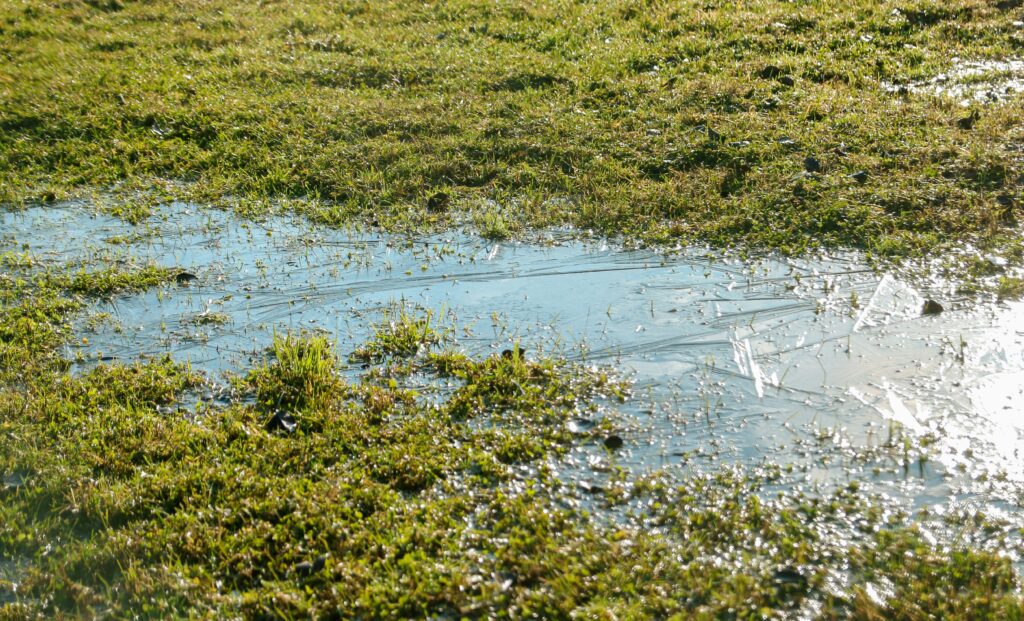
What is Sub-Soil Drainage
Sub-soil drainage (also known as subsurface drainage) refers to the installation of systems below the ground surface — such as perforated pipes, gravel-filled drains, or drainage mats — to remove excess water from soil, lower water tables, and control groundwater levels.
While widely used in agriculture to prevent waterlogging and salinity buildup, subsurface drainage is equally valuable in urban and residential settings, particularly where soil conditions and climate combine to increase the risk of water accumulation under foundations or slopes.
Why Sub-Soil Drainage Matters for Environmental Sustainability
- Protecting Soil Structure and Preventing Land Degradation
Uncontrolled subsurface water can destabilize soils. In areas underlain by weathered sand dunes or clay/shale soils — common in Durban and surrounding KZN — heavy rainfall or persistent wet conditions may trigger slope failures, landslides, or soil subsidence.
By removing excess water from the subsurface, drainage systems reduce hydrostatic pressure, prevent soil saturation, and reduce water-induced deformation. This supports long-term land stability and reduces risks of erosion or collapse, especially on slopes or in development areas with fill or embankments.
Moreover, when implemented correctly, drainage promotes healthier soil aeration and structure. For agricultural or landscaped soils, good drainage helps maintain microbial activity, soil tilth, and root health — reducing compaction and improving soil resilience.
- Reducing Waterlogging, Salinity Risk, and Supporting Groundwater Management
Sub-soil drainage helps control water tables, preventing them from rising too high. This is particularly important where high groundwater levels can lead to waterlogging or capillary rise into building foundations or root zones.
In agricultural settings globally, subsurface drainage has proven effective in leaching salts from the root zone, reducing soil salinity, and lowering water table levels — thereby protecting crop yields and soil health.
While less directly applicable in urban infrastructure, the same principle applies: controlling groundwater reduces risks of dampness, rising damp, or infiltration into basements and ground floors — a significant concern in areas with heavy rainfall or poor surface runoff.
Importantly, lowering water tables and reducing persistent saturation can also mitigate subsidence risks. A recent economic-environmental study in South Africa found that unchecked groundwater over-extraction and mismanagement create externalities such as land subsidence and loss of aquifer storage capacity — underscoring the importance of balanced groundwater management.
- Enhancing Resilience Against Extreme Weather and Climate Variability
Global and local climate change is increasing the frequency and intensity of extreme rainfall and flooding events — a reality already felt in Durban’s 2022 floods.
In this context, drainage infrastructure becomes part of climate resilience: well-designed subsoil drainage reduces the likelihood of soil saturation, landslides, structural damage, and waterlogging after heavy rainfall. It can complement surface drainage, stormwater systems, and sustainable drainage solutions — helping manage water at multiple levels.
Moreover, subsurface drainage can support groundwater recharge strategies when properly managed, decoupling surface flooding from groundwater overloading, and maintaining balanced water tables. This supports long-term water-cycle sustainability under changing rainfall patterns.
How Sub-Soil Drainage Should Be Designed and Managed — Best Practices
Implementing sub-soil drainage requires careful geotechnical assessment, design, and ongoing maintenance — especially in complex terrain like Durban’s undulating topography, sandy dunes, and clay zones.
Geotechnical investigation and site-specific design
Before installation, a geotechnical survey should evaluate soil type, permeability, groundwater depth, slope, and historical water behavior. For example, sandy soils may allow rapid drainage but are prone to erosion; clays may retain water and swell/shrink with moisture fluctuations.
Soil heterogeneity — especially layering of different soil textures — affects drainage behavior significantly. As shown in experimental studies, subsurface drainage efficiency depends heavily on soil texture and structure; drains placed above the water table may not perform well in highly permeable soils, whereas soils with loamy/clay texture favor effective drainage.
Use appropriate drainage systems
Common methods include perforated PVC drains, gravel trenches, geotextile-wrapped drain mats, and, where terrain allows, soakaways or controlled drainage outlets that route water into stormwater systems or safe discharge zones.
Drain spacing and depth matter. For soil salinity and water table control (as in agricultural contexts), studies have shown that closer drain spacing and adequate depth greatly improve drainage effectiveness and salt leaching.
For structural settings, drainage should safely divert water away from foundations, retaining walls, slopes — preventing hydrostatic pressure, damp, and soil instability.
Maintain natural infiltration and surface runoff absorption where possible
Rather than forcing all water offsite, combining subsoil drainage with sustainable surface-water strategies — such as permeable paving, bioswales, vegetated swales, and rain-gardening — supports natural recharge and reduces runoff volume and velocity.
In Durban, given high rainfall and saturated soils, this hybrid approach helps manage both immediate drainage needs and long-term aquifer health, reducing erosion risk on slopes and supporting vegetation stability.
Monitor groundwater, soil moisture, and long-term impacts
Sub-soil drainage is not “set and forget.” Regular monitoring of groundwater levels, soil moisture, and structural stability is essential — especially where drainage intersects with natural hydrology, vegetation, or adjacent watercourses.
Moreover, drainage systems should be evaluated for potential trade-offs: while draining soil improves aeration and reduces waterlogging, excessive drainage can lower groundwater recharge, potentially contributing to land subsidence and reduced aquifer storage. Recent environmental-economic research warns that indiscriminate groundwater extraction or unregulated drainage may reduce aquifer capacity and destabilize land over time.
Hence, sustainable drainage must balance outflow and recharge, considering both human infrastructure needs and environmental hydrology.
Why Sub-Soil Drainage Matters in Durban — Local Challenges and the Role of Sustainable Design
Durban — with its mix of coastal red sands, shale/clay inland soils, varied slopes, and heavy tropical rainfall — presents a challenging but critical context for sub-soil drainage. The combination of steep slopes, unstable soil types, and climate extremes means that poor drainage is a frequent underlying cause of structural damage, landslides, erosion, and waterlogging.
Moreover, rapid urbanization adds impermeable surfaces, increasing runoff, reducing natural infiltration, and raising pressure on both surface and subsurface drainage systems. Combined with more frequent extreme weather events under climate change, these trends make proper drainage design central to long-term resilience.
For homeowners, developers, and municipal planners in Durban and greater KwaZulu-Natal, this means sub-soil drainage cannot be an afterthought. Instead, drainage must be integrated from the outset: in foundation design, slope stabilization, landscape planning, and stormwater management.
At Pinnacle Structural Repairs, we advocate for a holistic approach: integrate geotechnical assessment, engineered subsoil drainage, sustainable surface-water solutions, and periodic maintenance. This approach protects built infrastructure — and the land itself — while honoring environmental sustainability and long-term resilience.