
Types and Methods of Sub-Soil Drainage Systems
Durban’s climate and soil conditions present unique challenges for property owners, engineers, and contractors. With an average annual rainfall of 1,020 mm, humid subtropical conditions, and clay-rich soils in many residential and commercial areas, sub-soil drainage systems are critical for preventing waterlogging, soil instability, and structural damage to foundations.
Understanding the types of sub-soil drainage systems, how they work, and how they can be tailored to Durban’s conditions is essential for engineers, builders, and homeowners alike.
Why Sub-Soil Drainage is Important in Durban
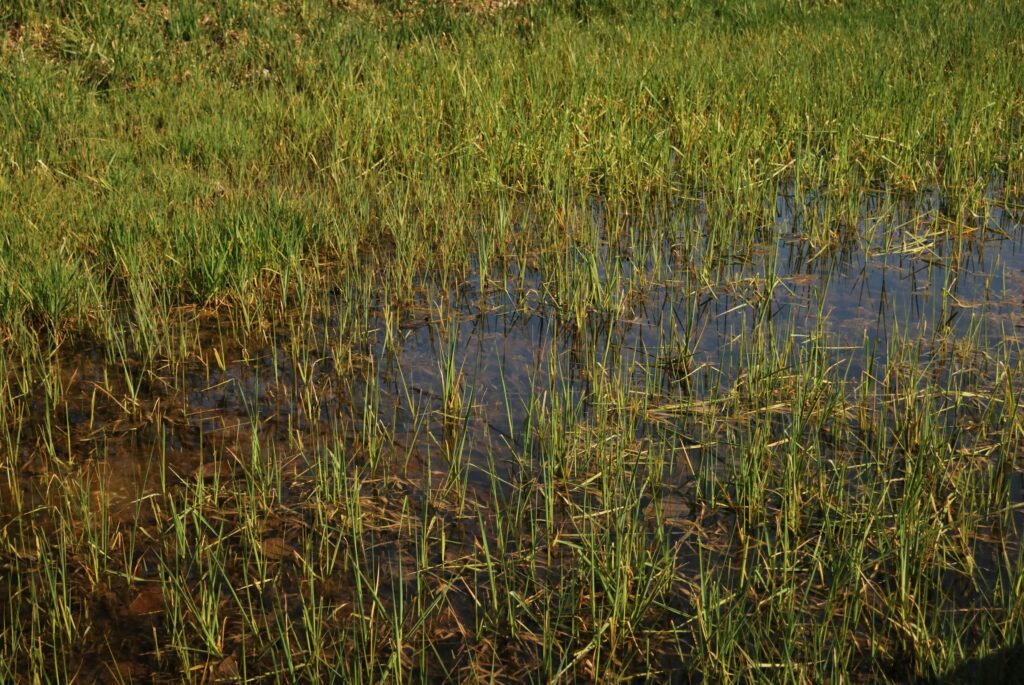
Sub-soil drainage is designed to remove excess groundwater from beneath the surface, preventing it from saturating the soil around foundations and underground structures. In Durban:
- Clay soils, prevalent in suburbs like Westville and Pinetown, have poor drainage characteristics, leading to water pooling and foundation stress.
- High rainfall events, especially during summer thunderstorms, can overwhelm surface drainage, making sub-soil drainage essential.
- Sloped topography in areas like Berea increases the risk of soil erosion and water infiltration into foundations.
Research from the Journal of Hydraulic Engineering shows that uncontrolled groundwater under residential structures can lead to up to 30% reduction in soil bearing capacity, increasing the risk of structural damage.
Key Types of Sub-Soil Drainage Systems
1. Perforated Pipe (French Drain) Systems
Description: A perforated pipe surrounded by a gravel-filled trench that collects and directs water away from a structure.
Installation:
- Trenches are dug around foundations or low-lying areas.
- Perforated HDPE or PVC pipes are laid with a slight gradient (typically 1–2%).
- Pipes are surrounded with clean gravel to allow water infiltration and wrapped with geotextile fabric to prevent clogging with soil particles.
Durban context: Ideal for clay soils in residential estates like Morningside, where slow-draining soils can accumulate water around basements or retaining walls.
Practical example: A townhouse complex in Berea used a perimeter French drain system with a gradient leading to stormwater channels, effectively reducing basement seepage during peak summer rains.
2. Sub-Soil or Deep Trench Drains
Description: These are deeper trenches with gravel and perforated piping, often connected to larger drainage networks.
Use cases:
- Large commercial properties in Durban’s industrial hubs such as Jacobs and Umbilo.
- Areas with heavy rainfall and high water tables.
Advantages:
- Efficiently drains large volumes of water.
- Can be integrated with retention tanks or soak pits for sustainable stormwater management.
Research note: According to Water SA Journal, deep trench drains reduce groundwater levels around structures by 15–25%, mitigating hydrostatic pressure on walls.
3. Soakaways and Infiltration Trenches
Description: Shallow pits or trenches filled with gravel or rubble that allow water to percolate slowly into the soil.
Installation:
- Excavated pits or trenches are lined with geotextile fabric.
- Gravel or rubble is filled, and water is allowed to infiltrate naturally.
Durban context: Ideal for suburban gardens or small residential plots where excess water needs to be dispersed gradually without overloading municipal stormwater systems.
Practical example: A home in Hillcrest incorporated soakaways in the backyard to manage runoff from patios and downpipes, preventing water pooling near the foundation during summer storms.
4. Modular Subsurface Drainage Systems
Description: Modern systems use plastic modular units or cellular drains that create channels for water storage and conveyance beneath the soil.
Advantages:
- Lightweight and durable, suitable for high water table areas.
- Allows temporary water storage during intense rainfall events, reducing peak runoff.
- Can be integrated with landscaping for green spaces.
Example: Durban’s urban renewal projects have begun integrating modular drainage beneath public parks to manage rainwater infiltration efficiently.
Key Installation Considerations in Durban
- Soil Type: Durban clay soils have low permeability; adding suitable gravel layers around drainage pipes is crucial to prevent clogging.
- Slope and Gradient: Ensuring a minimum gradient of 1–2% toward stormwater outlets is essential for natural flow.
- Water Table Levels: High water tables in coastal areas like Bluff require deeper trenches or pumped drainage to avoid flooding basements.
- Maintenance Access: Install inspection chambers for periodic cleaning to remove silt and debris.
- Regulatory Compliance: Durban’s municipal bylaws require that sub-soil drainage does not discharge directly into streets or neighbouring properties.
Maintenance of Sub-Soil Drainage Systems
Even the best-designed system requires regular maintenance:
- Inspect and clean inspection chambers every 6–12 months.
- Remove leaves and debris from surface inlets.
- Check for pipe blockages or silt accumulation, particularly after heavy storms.
Practical tip: A French drain in Westville clogged with sediment was restored by simply flushing clean water through inspection chambers, restoring flow within hours.
Benefits of Effective Sub-Soil Drainage
- Protects foundations from hydrostatic pressure and water ingress.
- Reduces soil erosion and basement flooding in Durban’s high rainfall areas.
- Enhances property longevity and reduces long-term maintenance costs.
- Improves landscape usability by preventing waterlogged areas.
Research evidence: Properly installed sub-soil drainage can reduce foundation water infiltration by up to 70% (South African Structural Engineering Review, 2020).
Conclusion
Durban’s humid subtropical climate, heavy rainfall, and clay-rich soils make sub-soil drainage systems essential for residential, commercial, and industrial properties. From French drains and soakaways to deep trench and modular systems, there are multiple solutions tailored to specific site conditions. Selecting the right system, considering soil type, slope, water table, and maintenance access, ensures effective water management, protects structures, and prolongs property life.
By implementing practical sub-soil drainage systems, homeowners and developers in Durban can safeguard their investments, reduce water-related damage, and maintain stable, dry foundations even during the city’s heaviest summer storms.